Take Charge of Your Heart Health: From Early Warning Signs to Treatment Options
Your heart is at the centre of everything you do, keeping you moving through work, family life, exercise, and the moments that matter most. While we often associate heart disease with sudden emergencies, many heart conditions can develop gradually and silently over time, making it easy to overlook the early warning signs. Coronary Artery Disease (CAD), one of the most common forms of heart disease, can narrow or block the arteries that supply oxygen-rich blood to the heart, potentially leading to chest pain, heart attacks, and other serious complications.
By learning more about common heart conditions, available diagnostic tests, and treatment options, you can take proactive steps to protect your heart and support long-term cardiovascular health.
Common Heart Conditions
I. Coronary Artery Disease (CAD)
Coronary Artery Disease develops when fatty deposits gradually accumulate within the coronary arteries, forming plaques that narrow the blood vessels and reduce blood flow to the heart muscle. Some patients may not experience obvious symptoms in the early stages of the disease.. However, as the narrowing progressively worsens, the heart may not receive an adequate blood supply during physical activity or emotional stress, which may lead to symptoms such as chest discomfort or shortness of breath.
High blood pressure, high cholesterol, diabetes, smoking, obesity, and family history of heart disease can increase the risk of developing CAD.
Key Precautions to Remember
- Exercise regularly
- Maintain a healthy body weight, blood pressure and cholesterol levels
- Avoid smoking and tobacco products
- Attend regular health screenings
OUR TIPS TO YOU
Seek medical evaluation if you experience new onset chest discomfort, shortness of breath during activity, or unexplained fatigue. Immediate emergency care is required if symptoms become severe or occur at rest and non-resolving.
II. Acute Heart Condition: Angina and Heart Attack
Angina is chest pain or discomfort that occurs when the heart muscle receives insufficient blood flow. It is often described as pressure, squeezing, heaviness, or tightness in the chest. Symptoms may also spread to the arms, shoulders, neck, jaw, or back.
Angina commonly occurs during physical exertion, emotional stress, or after large meals and often improves with rest.
A heart attack occurs when blood flow through a coronary artery becomes completely blocked, preventing oxygen from reaching heart muscles. Without rapid treatment, permanent damage can occur.
While chest pain is the most recognized symptom, heart attacks can also present with shortness of breath, sweating, nausea, dizziness, or unusual fatigue. Symptoms may differ among women, older adults, and individuals with diabetes.
Key Precautions to Remember
- Pay attention to recurring chest discomfort
- Keep a record of when symptoms occur and their duration
- Follow medical advice use prescribed cardiac medications carefully
- Call emergency services immediately if a heart attack is suspected
OUR TIPS TO YOU
Seek same-day medical attention if chest discomfort is new, worsening, or occurring more frequently than usual. Emergency evaluation is necessary if pain lasts for more than a few minutes or occurs at rest.
How Are Heart Symptoms Assessed?
When symptoms such as palpitations, chest discomfort, shortness of breath, dizziness, or unexplained fatigue occur, a step-by-step assessment helps identify the cause and determine whether further testing or treatment is needed.
-
Initial Assessment
ECGs, blood tests, and a clinical evaluation help identify abnormal heart rhythms, signs of heart strain or damage, and other possible causes of symptoms.
-
Additional Heart Testing
Depending on symptoms, further investigations such as Holter monitoring or stress testing may be used to assess heart rhythm and heart performance during daily activities or exercise. Holter monitoring is typically performed on an outpatient basis without the need for hospital admission, Patient can continue their normal daily activities while their heart activity is continuously recorded for one or two days.
-
Advanced Cardiac Imaging
If a more detailed assessment of heart structure and blood flow is required, the doctor may recommend additional cardiac imaging tests, such as a CT Coronary Angiogram (CTCA), echocardiogram, or other cardiac imaging studies. CTCA requires the injection of contrast into the body and is commonly performed as an outpatient investigation and can help evaluate whether there is narrowing or blockage of the coronary arteries, as well as determine whether additional evaluation or treatment are required.
-
Coronary Angiography: Finding the Blockage
When significant coronary artery disease or a heart attack is suspected, doctors may perform a procedure called coronary angiography. This test uses a thin catheter inserted through the wrist or groin to visualize blood flow within the coronary arteries. Special contrast dye allows cardiologists to identify narrowed or blocked vessels and determine the most effective treatment approach.
Key Precautions to Remember
- Follow pre-procedure instructions carefully
- Discuss current medications and health supplement with your physician
- Attend follow-up appointments
-
PCI and Coronary Stenting
Percutaneous Coronary Intervention (PCI), commonly known as angioplasty with stenting, is a minimally invasive procedure used to open blocked coronary arteries. During PCI, a small balloon is guided to the narrowed area and inflated to widen the artery. A stent is then placed to help keep the artery open and maintain blood flow.
PCI is frequently performed during heart attacks and in patients whose symptoms persist despite medical treatment.
When to Consider PCI (Stenting)?
How can you better understand your expected PCI costs before treatment?
- You have ongoing chest pain (angina) despite taking medication.
- Tests show reduced blood flow to the heart.
- You have an acute heart condition, such as a heart attack or unstable chest pain.
- The blockage is suitable for minimally invasive treatment when it is located in one or a few heart arteries and is not too complex or widespread
Whether or not a patient needs PCI depends on the cardiologist’s assessment, and PCI is usually not needed if the blockage is mild (less than 50%) or if there are no symptoms or signs of reduced blood flow. In these cases, treatment focuses on medications and lifestyle changes, such as controlling cholesterol, blood pressure, and smoking. For more complex heart disease involving multiple or severe blockages, doctors may discuss other options, such as bypass surgery.
Key Precautions to Remember:
- Take all prescribed medications after stenting
- Follow activity recommendations during recovery
- Report new symptoms promptly
If PCI is recommended, it is natural for patients to have questions about the procedure and other related issues. Many patients want to better understand the potential costs involved, how insurance benefits may apply, and what support is available before treatment. The following are some common questions to consider when planning for care.
Why can PCI treatment costs vary between private hospitals in Hong Kong?
The total cost of Percutaneous Coronary Intervention (PCI) procedure can vary significantly between hospitals. Key factors include the number of coronary arteries treated, the number and type of stents implanted, whether additional cardiac procedures are required and the complexity of the specific patient. Other components of the hospital bill which also may vary and impact the overall cost include specialist fees, hospital accommodation, diagnostic tests, medications, and post-procedure care. Understanding these factors can help you better anticipate potential medical expenses and plan ahead for treatment.
What does "Reasonable and Customary (R&C)" mean and how could it affect PCI claims?
When reviewing the medical insurance coverage, patients may come across the term "Reasonable and Customary (R&C)". In general, R&C refers to a benchmark used by insurers to assess whether medical charges are broadly consistent with the fees commonly charged for similar medical services under comparable circumstances in Hong Kong. Even for the same PCI procedure, treatment costs may vary depending on factors such as the hospital, the doctor, and the specific treatment arrangements. When assessing claims, insurers may refer to the R&C principle to evaluate the reasonableness of the charges and determine the amount payable according to the policy terms and conditions. As a result, the actual medical expenses incurred may not always be fully reimbursed. Understanding the R&C concept can help patients better anticipate potential out-of-pocket expenses and gain a clearer understanding of their insurance coverage before treatment, enabling them to make more informed financial decisions.
How can you better understand your expected PCI costs before treatment?
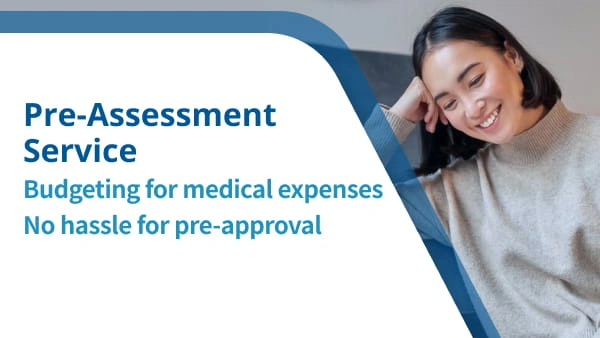
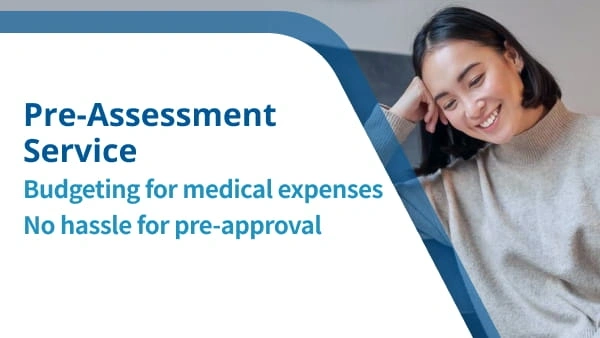
If your PCI procedure is a planned surgery, it is worthwhile to understand both the expected treatment costs and your insurance coverage before admission. Blue Cross members can make use of the Blue Cross Provider Network and Pre-Assessment Services to obtain greater clarity on anticipated medical expenses and policy benefits. These services can help customers understand their coverage, identify medical network providers, and receive an assessment of estimated treatment costs before the procedure. By planning ahead, you can gain greater cost transparency, make informed treatment decisions, and proceed with their treatment journey with more clarity on the financial aspects.
Blue Cross will launch Cardiac Care Pathway^
When it comes to heart health, early assessment and timely care can make a significant difference. To support our customers through every step of their care journey, Blue Cross is going to provide a dedicated Health Concierge service under the “Cardiac Care Pathway” ("the Service"). From arranging specialist consultations and diagnostic tests to coordinating treatment and follow-up care, our team is here to provide personalised support when they need it most.
Recovery and Long-Term Heart Protection
Successful treatment is only one part of heart disease management. Long-term prevention focuses on reducing future cardiovascular risk through healthy lifestyle choices and ongoing medical care. Patients who have experienced CAD, a heart attack, or PCI often require lifelong risk-factor management and regular follow-up.
OUR TIPS TO YOU
Seek medical evaluation if chest pain returns, shortness of breath worsens, irregular heartbeats develop, or swelling occurs in the legs.
^The Service is applicable only to eligible insured members of Blue Cross medical insurance plans with inpatient coverage (on a reimbursement basis). It is a value-added, optional and non-contractual service. It is non-guaranteed and does not form part of the contractual terms and benefits of any insurance policy. Blue Cross reserves the right to amend, suspend or terminate the Service (in whole or in part), or change service provider, scope or terms at any time without prior notice.
Disclaimer:
The information contained herein is provided for general information only and does not constitute medical, health, legal, or professional advice. It is not intended to replace consultation with qualified healthcare professionals or other relevant advisers. Blue Cross (Asia-Pacific) Insurance Limited (the “Company”) does not guarantee the completeness or accuracy of the information. If you have any related questions, you should consult appropriate professional advisers. The Company shall not be liable for any loss, damages, compensation, legal costs, or other expenses or liabilities that may arise from reliance on any information contained herein.
This article is for distribution in Hong Kong Special Administrative Region only. All information relating to insurance products is provided for reference only and shall not be construed as an offer, solicitation, or invitation to sell or provide any insurance products to any person outside Hong Kong. The Company makes no express or implied representation, statement, or warranty as to the accuracy, completeness, or fitness of the information for any particular purpose. Insurance products may differ among insurance companies. Prior to purchasing any insurance product, you should fully understand, analyze, and compare the relevant products in order to select the one that best suits your needs.
Blue Cross (Asia-Pacific) Insurance Limited is a subsidiary of AIA Group Limited. It is not affiliated with or related in any way to Blue Cross and Blue Shield Association or any of its affiliates or licensees.